

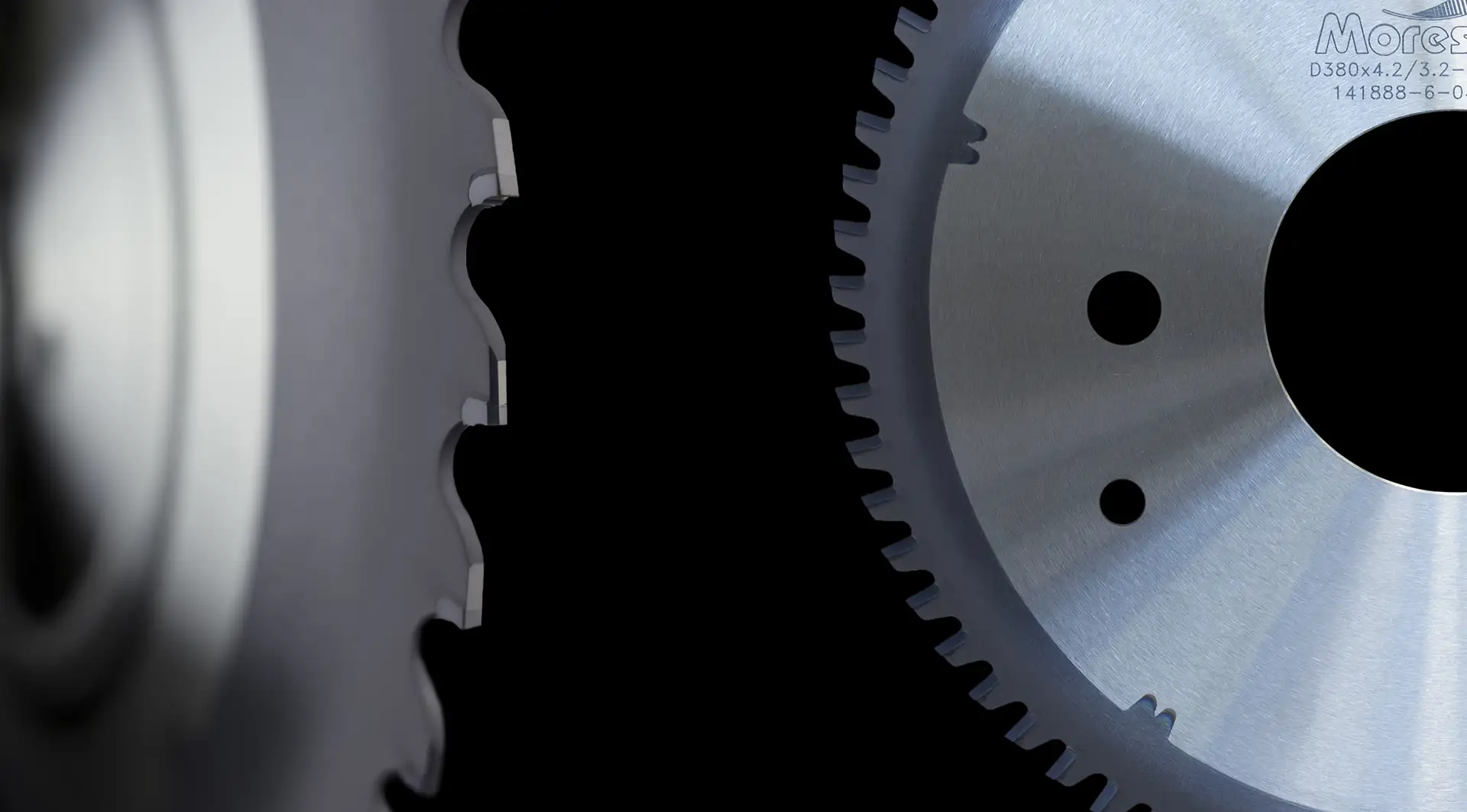

Choosing the circular saw blade is essential to achieve high cutting performance and improve production efficiency.
Every application has specific requirements, and identifying the most suitable tool calls for a careful evaluation of the equipment, the material to be cut and the production goals.
But how do you choose a circular saw blade? Here are the main factors to consider.
1. Cutting Equipment Characteristics
The first element to analyze is the type of equipment used.
It is important to distinguish between:
- Static cutting: single or multiple
- Flying cut: with a single, twin (Twin) or orbital blade
Adjustable parameters, such as speed and feed rate, are also essential to identify the most suitable solution.
It is also necessary to check whether the blade’s diameter, thickness and tooth pattern can be modified according to the characteristics of the equipment.
2. Characteristics of the Material to Be Cut
Every material has specific properties that influence blade selection.
Aspects to evaluate include:
- Chemical composition
- Hardness and tensile strength
- Dimensions and shape of the material
- Presence of solid or hollow sections
- Cutting method, on the edge or on the smooth side
- Presence or absence of internal scarfing
Knowing these characteristics makes it possible to define a blade configuration consistent with the material and the machining conditions.
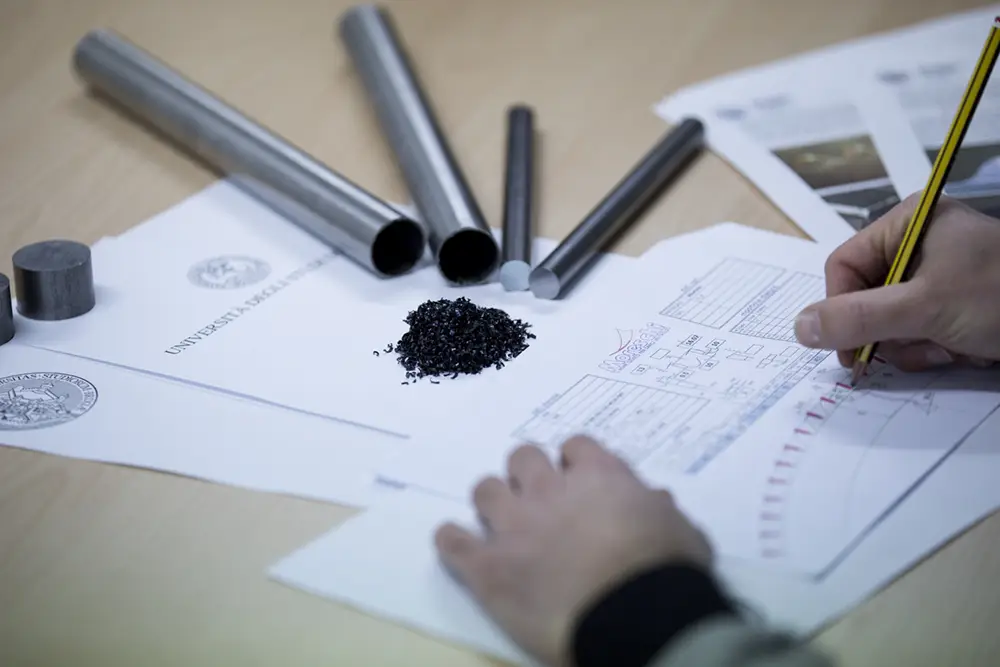
3. Production Goals and Requirements
The choice of circular saw blade also depends on production priorities.
Is the goal to achieve high volumes in short times, improve finish quality, or strike a balance between the two?
It is also important to consider any problems encountered with previously used blades and to identify the aspects of the cutting process you want to improve.
This information is essential to develop a truly customized solution.
4. Circular Saw Blade Geometry and Characteristics
Once the equipment, material and production goals have been analyzed, the most suitable characteristics of the tool can be identified.
Elements to define include:
- Blade body
- Cutting geometry
- Cutting width
- Number of teeth
- Coatings, if any
The combination of these characteristics makes it possible to adapt the blade to specific machining requirements.
Moreschi Technical Consulting: Choosing the Right Blade
Identifying the most suitable solution means considering all the factors that influence the cutting process.
For this reason, Moreschi offers a customized technical consulting service, through which our team of experts analyzes the characteristics of the equipment, the material and the customer’s production needs.
The goal is to identify the most suitable tool, optimize cutting operations and improve productivity.
Is the Blade You Use Really the Most Suitable?
Rely on Moreschi’s technical consulting to evaluate your tool’s performance and identify possible improvements.